
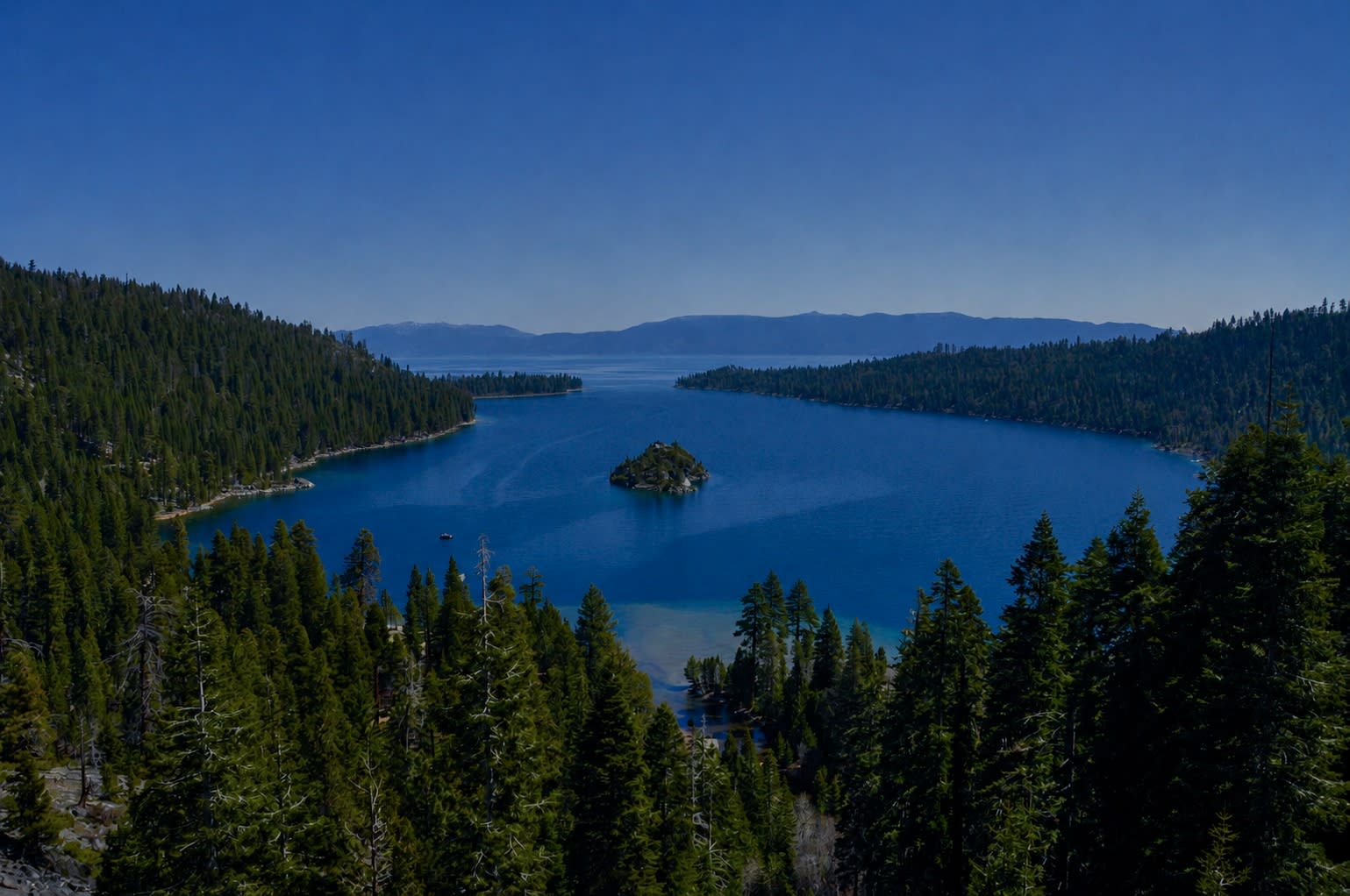

The U.S. Forest Service has approved the potential use of glyphosate, the active ingredient in Roundup, as part of post-wildfire forest restoration efforts in and around the Lake Tahoe Basin. Supporters argue it is necessary to help forests recover after the Caldor Fire, while critics raise concerns about water quality, wildlife impacts, and potential health risks.
Key Takeaways:
• The U.S. Forest Service says glyphosate helps newly planted trees survive after severe wildfires.
• Opponents worry about contamination of streams, wildlife habitat, and Lake Tahoe's watershed.
• Glyphosate has been the subject of major health and environmental controversies for decades.
• The issue is creating growing public debate throughout the Lake Tahoe community.
Why Is Glyphosate Being Discussed in Lake Tahoe?
A growing controversy has emerged around plans by the U.S. Forest Service to use glyphosate during forest restoration projects associated with recovery from the 2021 Caldor Fire. The project area includes portions of the Lake Tahoe Basin and nearby public lands that suffered severe wildfire damage. Recent reports indicate thousands of acres may eventually be eligible for treatment as part of long-term reforestation efforts.
The discussion intensified after reports highlighted increased glyphosate use in California forests and concerns about future applications near Lake Tahoe's sensitive watershed. Public opposition has grown rapidly, with local environmental organizations, residents, and advocacy groups calling for additional transparency and review.
At the same time, Forest Service officials maintain that herbicides are one of several tools available to restore forests after catastrophic wildfire damage.
What Is Glyphosate?
Glyphosate is the active ingredient in Roundup, one of the most widely used herbicides in the world. First introduced in the 1970s, it is commonly used to control unwanted vegetation in agriculture, landscaping, and forestry projects.
The chemical works by killing plants that compete for sunlight, nutrients, and water. In forestry applications, glyphosate is often used to eliminate shrubs, weeds, and other vegetation that can prevent newly planted tree seedlings from becoming established.
Why Does the U.S. Forest Service Want to Use Glyphosate?
According to the U.S. Forest Service, the Caldor Fire burned so intensely in some areas that natural forest regeneration may take decades without human intervention. Officials argue that newly planted trees face significant competition from fast-growing shrubs and invasive vegetation. Herbicides can help reduce that competition and improve seedling survival rates.
The Forest Service also argues that:
• Glyphosate applications would be targeted rather than aerial.
• Backpack sprayers would be used in many treatment areas.
• Sensitive riparian zones and certain wildlife considerations are factored into project planning.
• Lake Tahoe itself is protected under federal water quality regulations.
From the agency's perspective, herbicides represent one tool among many for restoring forests that were severely damaged by wildfire. Officials point to previous environmental reviews that concluded glyphosate presents relatively low risk when used according to approved guidelines.
The Environmental Concerns
Critics argue that Lake Tahoe is not an ordinary landscape. The Tahoe Basin is one of the most environmentally sensitive watersheds in North America. Every stream, creek, and drainage ultimately affects the lake's famous clarity and ecosystem.
Environmental groups and local residents have raised several concerns:
Potential Water Contamination
Opponents worry that rainfall, snowmelt, or wind could move glyphosate into streams and tributaries that eventually flow into Lake Tahoe. Even small amounts entering the watershed could create long-term concerns for water quality and ecosystem health.
Wildlife and Pollinators
Research and environmental advocates have long pointed to concerns about impacts on pollinators such as bees and butterflies. Critics argue that reducing vegetation can remove important habitat and food sources for local wildlife.
Unknown Long-Term Effects
Many opponents believe there is still uncertainty regarding long-term ecological impacts, especially in a high-elevation alpine environment like Lake Tahoe. Some organizations have called for additional independent research before any large-scale applications occur.
The Human Health Debate
Much of the controversy surrounding glyphosate stems from its history outside the Tahoe Basin.
In 2015, the International Agency for Research on Cancer, part of the World Health Organization, classified glyphosate as "probably carcinogenic to humans." That designation helped fuel thousands of lawsuits alleging exposure contributed to certain cancers, particularly non-Hodgkin lymphoma.
Since then, Bayer, which acquired Monsanto, has paid billions of dollars to settle many Roundup-related claims while continuing to maintain that glyphosate is safe when used as directed. Regulatory agencies around the world remain divided on aspects of the risk assessment, which is one reason the debate continues today.
Supporters of glyphosate point out that the U.S. Environmental Protection Agency continues to approve its use and that numerous reviews have concluded the chemical can be safely applied under regulated conditions. Critics argue that the volume of litigation and continuing scientific debate warrant a more cautious approach, especially around sensitive watersheds.
The Latest Update from the U.S. Forest Service
In response to growing public concern, reports indicate that the Lake Tahoe Basin Management Unit does not currently plan to use herbicides within the Basin portion of the Caldor Fire restoration area during the 2026 and 2027 seasons. Other restoration methods will be used instead, although herbicide use remains an approved option for future years under the broader project framework.
This decision has temporarily reduced immediate concerns, but the broader discussion about glyphosate and future forest management strategies remains active throughout the Tahoe region.
Stay Informed and Get Involved
The debate over glyphosate in Lake Tahoe is far from settled. Some residents believe it is a necessary tool for wildfire recovery and forest restoration. Others believe the potential risks to Lake Tahoe's watershed, wildlife, and public health outweigh the benefits. No matter where you stand, staying informed and involved is important.
If you have questions about environmental issues affecting Lake Tahoe, local real estate trends, or ways to stay engaged in community discussions, feel free to contact local expert Hunter Platte. As a local real estate agent and full-time Lake Tahoe resident, Hunter works hard to keep property owners informed about the issues that impact our community, our environment, and the long-term future of Lake Tahoe.