
Key Takeaways
• Lake Tahoe's pollen season typically peaks between late May and early July, depending on elevation, snowfall, and spring weather conditions.
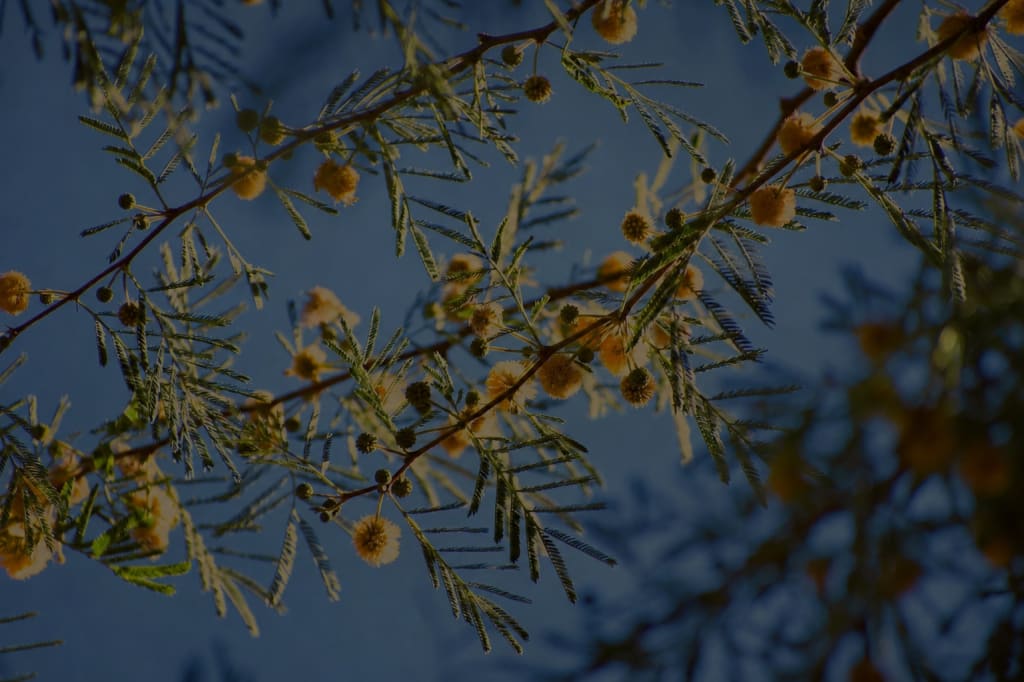
• The yellow dust commonly seen on cars, decks, docks, patios, and the surface of the lake is primarily pine pollen released by the region's dense conifer forests.
• Pollen levels can vary significantly from year to year based on temperature, moisture, and wind patterns.
• While pollen can be inconvenient for allergy sufferers and homeowners, it is a completely natural and an important part of Tahoe's ecosystem.
• Regular cleaning, air filtration, and proper home maintenance can help reduce pollen buildup during peak season.
Why Does Lake Tahoe Have So Much Pollen?
Every spring and early summer, Lake Tahoe experiences one of its most recognizable seasonal events: pollen season. Residents and visitors of Incline Village, Crystal Bay, and surrounding communities often notice a fine yellow layer covering vehicles, outdoor furniture, decks, boats, docks, windows, and even large sections of Lake Tahoe itself. For those new to the area, the amount of pollen can be surprising. In reality, this phenomenon is completely normal and has occurred throughout the Tahoe Basin for generations.
The primary source of Tahoe's pollen comes from the region's vast forests, which are dominated by Jeffrey pine, sugar pine, lodgepole pine, white fir, red fir, and other conifer species. During their reproductive cycle, these trees release massive quantities of pollen into the air. Wind carries the pollen throughout the basin, where it eventually settles on nearly every outdoor surface. Because Lake Tahoe is surrounded by millions of trees, the amount of pollen produced can be substantial during peak periods.
When Does Pollen Season Occur in Lake Tahoe?
Pollen season generally begins in late May and continues through early July. The exact timing varies each year based on several factors:
Snowpack
Heavy snow years often delay pollen season because trees begin their reproductive cycle later in the spring.
Spring Temperatures
Warmer temperatures can accelerate pollen production and cause trees to release pollen earlier than usual.
Elevation
Lower-elevation communities in Incline Village, Kings Beach, Crystal Bay, and South Lake Tahoe may experience pollen activity slightly earlier than higher-elevation neighborhoods.
Wind Conditions
Windy days can significantly increase airborne pollen levels and spread pollen across large portions of the basin. Most years, residents notice the heaviest pollen accumulation during a two-to-four-week period between late May and mid-June.
Why Does Pollen Sometimes Cover Lake Tahoe?
One of the most interesting aspects of pollen season is seeing large yellow streaks and patches floating on the surface of Lake Tahoe. Many visitors mistakenly assume the lake is polluted when they first see these formations. In reality, these floating patches are typically concentrated pine pollen.
Wind and surface currents naturally gather pollen into visible lines and clusters. Depending on weather conditions, pollen can accumulate in marinas, coves, beaches, and nearshore areas. These temporary pollen blooms generally disappear as weather patterns change and pollen production declines.
Is Pollen Harmful to Lake Tahoe?
Pollen itself is a natural part of the Lake Tahoe ecosystem. Trees rely on pollen to reproduce and maintain healthy forests. The annual pollen cycle has occurred in the Sierra Nevada for thousands of years and is not considered pollution.
Researchers generally view seasonal pollen events as a natural biological process rather than an environmental concern. While pollen can affect water clarity in small areas temporarily, it does not have the same impacts associated with chemical contaminants or harmful algae blooms. For most homeowners and visitors, pollen is primarily an inconvenience rather than an environmental threat.
How Pollen Affects Lake Tahoe Homeowners
While pollen is natural, it can create extra maintenance responsibilities for property owners. Common concerns include:
Yellow Residue on Vehicles
Cars parked outdoors often develop a visible yellow coating during peak pollen season.
Dirty Decks and Patios
Outdoor living spaces can quickly accumulate pollen, especially during windy periods.
Window and Siding Buildup
Pollen may collect on exterior surfaces, reducing the appearance of a home's exterior.
Clogged Filters
HVAC systems, air purifiers, and pool equipment may require more frequent filter changes during peak pollen periods.
Allergy Symptoms
Some residents experience seasonal allergies, including sneezing, congestion, itchy eyes, and respiratory irritation.
Should You Sell Your Home During Pollen Season?
Many homeowners wonder whether pollen season is a good time to sell their home. In most cases, pollen has very little impact on buyer demand because local buyers and experienced Lake Tahoe agents understand that it is a temporary and natural part of mountain living. The key is presentation.
Before listing your property, it's a good idea to wash exterior windows to improve natural light and maximize the quality of listing photos. Decks, patios, outdoor furniture, and entryways should also be cleaned regularly to remove pollen buildup and ensure the home shows at its best. If you're hosting an open house or private showings, a quick cleaning of outdoor living spaces can make a noticeable difference in a buyer's first impression. While pollen season may require a bit of extra maintenance, it is short-lived and rarely affects a buyer's decision to purchase a home in Lake Tahoe.
How to Reduce Pollen Around Your Home in Lake Tahoe
Fortunately, managing pollen season is relatively straightforward. Some things you can do include:
Wash Exterior Surfaces Regularly
Rinsing decks, patios, railings, windows, and outdoor furniture can prevent pollen from accumulating.
Change HVAC Filters
Replacing air filters more frequently during spring and early summer can improve indoor air quality.
Use Air Purifiers
High-quality air purifiers can help reduce indoor pollen levels and improve comfort for allergy sufferers.
Keep Windows Closed During Peak Days
On windy days with high pollen levels, keeping windows closed can help limit indoor exposure.
Rinse Vehicles Frequently
Regular car washes can prevent pollen from building up on paint and glass surfaces.
Clean Gutters and Drains
Pollen can accumulate in drainage areas and should be removed periodically to maintain proper water flow.
Living With Mother Nature in Lake Tahoe
One of the reasons people choose to live in Lake Tahoe is the area's extraordinary natural environment. The same forests that provide mountain views, diverse wildlife, hiking trails, unmatched privacy, and clean air are also responsible for the annual pollen season.
For longtime residents, pollen season is simply another sign that summer is approaching. Similar to winter snowfall or fall color changes, it is a seasonal event that reflects Tahoe's unique mountain ecosystem. Most homeowners quickly learn that a few weeks of extra cleaning each year is a small tradeoff for living in some of the most beautiful forests in the country.
Thinking About Moving to Lake Tahoe?
Understanding seasonal conditions such as pollen season, winter snowfall, wildfire preparedness, and property maintenance can help buyers make informed decisions when purchasing property in the Tahoe Basin.
As a local Lake Tahoe Realtor, Hunter Platte helps buyers understand the realities of mountain living while finding properties that match their lifestyle and long-term goals. Whether you're relocating to Incline Village, purchasing a vacation home, or preparing to sell your Lake Tahoe property, understanding seasonal conditions such as pollen season can help you better maintain and enjoy your investment. If you have questions about living in Lake Tahoe or the local real estate market, contact Hunter Platte for expert guidance and local insight.